

- Market News
Fed’s Waller Speech and US ISM PMI Today
Fed's Waller takes centre stage Thursday alongside US ISM Services PMI data and weekly jobless claims in a packed session.
ECB Rate Hike Bets and US Jobless Claims
A quiet Thursday calendar keeps focus on ECB September rate hike expectations and the latest US jobless claims figures.
Treasury Buybacks and Australia Jobs Shake Global Markets
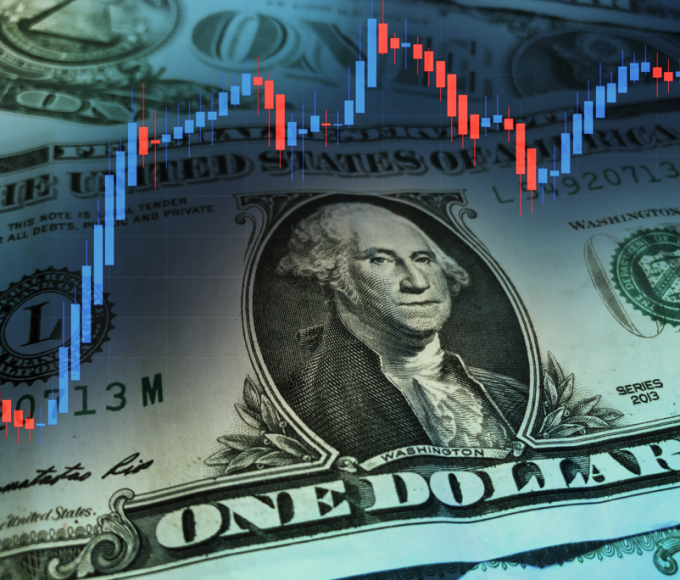
US Treasury buybacks sent gold surging and the dollar tumbling Thursday as Australia's key employment report took centre stage globally.
UK GDP Beats as US PPI Data Looms
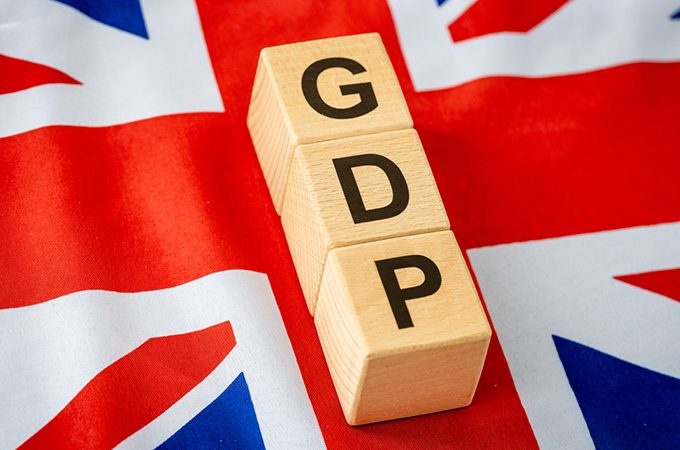
UK GDP surprised to the upside Thursday while markets shifted focus toward US PPI figures and weekly jobless claims data.


- Market News
Fed’s Waller Speech and US ISM PMI Today
Fed's Waller takes centre stage Thursday alongside US ISM Services PMI data and weekly jobless claims in a packed session.
ECB Rate Hike Bets and US Jobless Claims
A quiet Thursday calendar keeps focus on ECB September rate hike expectations and the latest US jobless claims figures.
Treasury Buybacks and Australia Jobs Shake Global Markets
US Treasury buybacks sent gold surging and the dollar tumbling Thursday as Australia's key employment report took centre stage globally.
UK GDP Beats as US PPI Data Looms
UK GDP surprised to the upside Thursday while markets shifted focus toward US PPI figures and weekly jobless claims data.



Australia’s consumer sentiment drops 6%, business confidence declines, while global trade war concerns affect economic outlook.
Australia’s consumer sentiment has taken a sharp downturn in April, as the Westpac-Melbourne Institute Consumer Sentiment Index recorded a 6% slump, dropping from 95.9 to 90.1. This marks the lowest reading in six months, a reflection of heightened concerns about a potential global trade war. Trade tensions continue to rise on the international stage, significantly dampening consumer optimism.
Simultaneously, business confidence in the country has also declined, with the NAB Business Confidence Index falling for the second consecutive month. The index dropped from -2 in February to -3 in March, representing the lowest point since November 2024. The decline in confidence is widespread across various sectors, notably in finance, property, business services, and manufacturing. However, industries like mining, retail, recreation, and transport have shown some positive momentum, mitigating the overall downturn.
Despite these less-than-encouraging indicators, the Australian Dollar (AUD) saw a surprising surge. The currency rose sharply, climbing above 0.6050 by midday in Asia, defying expectations given the weaker-than-expected sentiment reports.
Key events in the coming hours may offer further insights into the economic landscape, particularly in Europe and the United States, as the global economy continues to feel the effects of the looming trade war threat.
Australia’s Consumer and Business Confidence Slumps
The impact of the trade tensions is being felt across global markets. In Canada, the Ivey PMI saw a significant rise to 55.3 in February 2025, marking its highest level in seven months. However, the index’s sharp contraction is expected in March as global trade concerns intensify. Meanwhile, in the U.S., crude oil inventories have been steadily rising, signaling a potential slowdown in oil demand, which could have broader implications for energy prices.
U.S. crude oil prices, which were hovering around $61.50 per barrel, are facing downward pressure due to increasing stockpiles. With ongoing tariff-related headlines driving market volatility, further API reports detailing higher-than-expected stockpiles could add to bearish sentiment in the energy markets.
Uncertainty and decreased optimism among small business owners will likely drive a significant decline in the National Federation of Independent Business (NFIB) Small Business Index today. The index dropped to 100.7 in February from 102.8, and with the recent tariff announcements, the outlook for small businesses is increasingly grim. Given this development, the U.S. Dollar Index (DXY) could be facing downward pressure in the coming hours.
Meanwhile, the Federal Reserve’s recent decision to hold interest rates steady at 4.25-4.50% has kept inflationary concerns in focus. The Fed will continue to shape its decision-making based on domestic economic activity and the broader international trade landscape, with key meetings in May to further assess the situation.
Currency Market Reactions and Expectations
- Gold (XAU): Gold prices are expected to experience a weak bullish bias today. With inflationary fears continuing to dominate, especially following the release of the NFIB index, investors may seek safe-haven assets. Gold’s spot price has been hovering around $3,000 per ounce, with further gains possible as markets react to worsening trade prospects.
- Australian Dollar (AUD): Despite the sharp decline in consumer sentiment, the Australian Dollar saw a strong rally, climbing above 0.6050. This could indicate that, despite weaker sentiment, the Aussie remains resilient in the face of global uncertainties. The Reserve Bank of Australia’s cautious stance on monetary policy will be an important factor moving forward.
- Canadian Dollar (CAD): The Ivey PMI report, which soared to 55.3 in February, suggests strength in Canada’s economy, but global trade war concerns could dampen this optimism in the coming months. The Canadian Dollar remains vulnerable to external economic shocks, and traders should remain watchful for further developments in trade relations, especially with the United States.
- Euro (EUR): Despite some disappointing industrial production figures in Germany, the Euro has managed to maintain its upward momentum. The widening trade surplus in the Eurozone is somewhat underwhelming compared to market expectations, but with ongoing global uncertainty, the Euro may find support as investors turn away from the U.S. Dollar.
- U.S. Dollar (DXY): The DXY remains under pressure as concerns surrounding the trade war and weaker-than-expected economic data weigh on the U.S. economy. The NFIB Small Business Index is likely to add to this pressure, making the dollar more vulnerable against other major currencies
Conclusion
As global economic concerns grow, particularly around the risks of a trade war, sentiment across both consumer and business sectors has been notably weakened. While the Australian Dollar and gold have shown resilience, other sectors, such as oil and business confidence indices, signal deeper challenges ahead. The next 24 hours will be crucial in determining how markets will navigate these turbulent waters, with the focus squarely on trade developments and upcoming economic indicators
Stay Updated with the Latest Market News. Visit our YouTube Channel for the Latest Forex Analysis.



Related Articles
Fed’s Waller Speech and US ISM PMI Today
Fed's Waller takes centre stage Thursday alongside US ISM Services PMI data...
ECB Rate Hike Bets and US Jobless Claims
A quiet Thursday calendar keeps focus on ECB September rate hike expectations...
Treasury Buybacks and Australia Jobs Shake Global Markets
US Treasury buybacks sent gold surging and the dollar tumbling Thursday as...
UK GDP Beats as US PPI Data Looms
UK GDP surprised to the upside Thursday while markets shifted focus toward...
Leave a comment