

- Market News
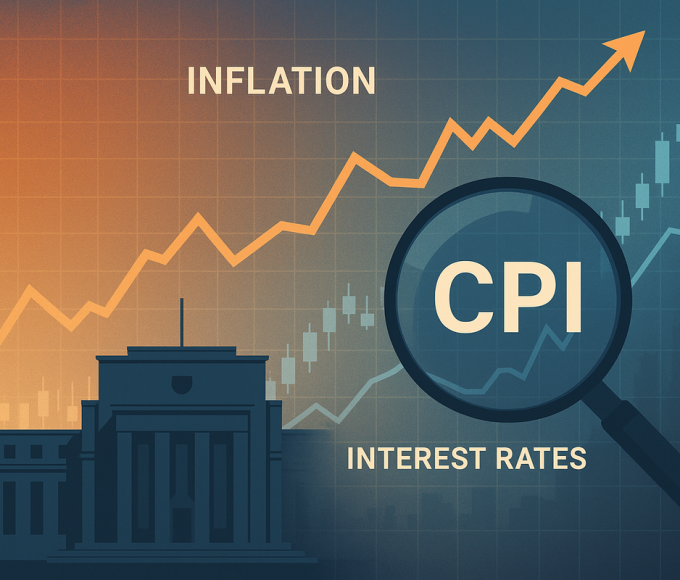
Hot CPI Data and Inflation Fears Rattle Markets
Hotter-than-expected September CPI data rattled global markets Wednesday, raising fears of a more aggressive Federal Reserve before the year ends.
Bond Market Selloff Drives Sharp European Stock Losses
Surging bond yields and climbing oil prices hammered European stocks at the open Thursday, deepening the global risk-off selloff further.
Eurozone Manufacturing PMI Hits Four-Year High in September
Eurozone manufacturing activity reached a four-year high in September, but accelerating price pressures complicated the outlook for ECB policy decisions.
Fed Hike and Yields Drive Thursday’s Global Markets
A unanimous Fed rate hike and climbing Treasury yields set the tone for Thursday's volatile global trading session ahead.



- Market News
Hot CPI Data and Inflation Fears Rattle Markets
Hotter-than-expected September CPI data rattled global markets Wednesday, raising fears of a more aggressive Federal Reserve before the year ends.
Bond Market Selloff Drives Sharp European Stock Losses
Surging bond yields and climbing oil prices hammered European stocks at the open Thursday, deepening the global risk-off selloff further.
Eurozone Manufacturing PMI Hits Four-Year High in September
Eurozone manufacturing activity reached a four-year high in September, but accelerating price pressures complicated the outlook for ECB policy decisions.
Fed Hike and Yields Drive Thursday’s Global Markets
A unanimous Fed rate hike and climbing Treasury yields set the tone for Thursday's volatile global trading session ahead.


Global markets are on edge amid trade uncertainty. The US dollar weakens, eyes on key US data & RBA speech. Gold, AUD see potential moves.
With a quiet overnight session for major macroeconomic data, market attention focused on U.S. President Donald Trump’s revised automotive tariff plans. Reports from the Wall Street Journal indicate a move to prevent the stacking of duties, potentially offering relief to U.S. automakers grappling with supply chain adjustments. Despite this, persistent trade policy uncertainty continues to weigh heavily on financial markets.
The U.S. dollar experienced a significant downturn, with the dollar index (DXY) falling 0.7% and dipping below the 99 level. This decline comes despite recent positive tariff-related news, highlighting the underlying nervousness among investors.
Asia Session Focus: RBA Assistant Governor Kent’s Speech
A speech from Reserve Bank of Australia (RBA) Assistant Governor Christopher Kent, titled “Australia’s External Position and the Evolution of the FX Markets,” at a Bloomberg event in Sydney will dominate the Asia session. Given Australia’s close trading relationship with China, Kent may face questions regarding the ongoing U.S.-China trade negotiations. The Australian dollar (AUD) saw robust demand overnight, climbing above the 0.6400 threshold.
US Data and RBA Speech in Focus as Dollar Weakens
Traders will be closely watching the release of U.S. JOLTS Job Openings and CB Consumer Confidence data later today (2:00 pm GMT).
Job openings are expected to decline for the second consecutive month in March, falling to a projected 7.49 million from February’s 7.57 million. This potential decrease reflects concerns that ongoing trade uncertainties are causing U.S. corporations to become more cautious in their hiring strategies.
Economists anticipate that consumer confidence will also show a notable drop. Following a sharp decline in the University of Michigan’s sentiment survey last Friday, they forecast the Conference Board (CB) index to fall to 87.7 in April from 92.9 in the previous month. This would mark the fifth consecutive month of declining consumer sentiment.
Weaker-than-expected JOLTS and consumer confidence data could exert significant downward pressure on the U.S. dollar.
Central Bank Commentary
The Federal Reserve maintained its Federal Funds Rate target range at 4.25% to 4.50% at its meeting on March 19th, acknowledging increased uncertainty surrounding the economic outlook. While noting solid economic activity and a stable, low unemployment rate, the Fed highlighted that inflation remains somewhat elevated. GDP growth forecasts for 2025 were revised downward, while PCE inflation projections were adjusted slightly higher, partly due to tariff-related pressures. The Fed will continue to monitor incoming economic data and is prepared to adjust its monetary policy stance as needed. Starting in April, the Fed will slow the pace of decline of its securities holdings.
The RBA held its cash rate steady at 4.10% on April 1st, following a prior rate cut. While acknowledging easing underlying inflation and a recovering private domestic demand, the RBA remains cautious about the economic outlook, citing global trade policy and geopolitical uncertainties.
Currency Pair Outlook
- Gold (XAU): Weak bearish bias. Potential for a lift if US data disappoints and weakens the dollar.
- Australian Dollar (AUD): Weak bullish bias. RBA Assistant Governor Kent’s speech could provide further direction.
- New Zealand Dollar (NZD): Weak bullish bias. Recent strong rally may find continued support from a weaker USD.
- Japanese Yen (JPY): Weak bearish bias. Safe-haven demand remains elevated amid global uncertainties.
- Euro (EUR): Weak bullish bias. German consumer climate data due today could influence sentiment.
- Swiss Franc (CHF): Weak bearish bias. Continues to benefit from safe-haven flows.
- Pound Sterling (GBP): Medium bullish bias. Rebound shows strong demand.
- Canadian Dollar (CAD): Weak bullish bias. Ongoing Federal Election could lead to increased volatility.
- Oil: Medium bearish bias. Concerns over demand and rising US inventories weigh on prices.
Stay Updated with the Latest Market News. Visit our YouTube Channel for the Latest Forex Analysis.



Related Articles
Hot CPI Data and Inflation Fears Rattle Markets
Hotter-than-expected September CPI data rattled global markets Wednesday, raising fears of a...
Bond Market Selloff Drives Sharp European Stock Losses
Surging bond yields and climbing oil prices hammered European stocks at the...
Eurozone Manufacturing PMI Hits Four-Year High in September
Eurozone manufacturing activity reached a four-year high in September, but accelerating price...
Fed Hike and Yields Drive Thursday’s Global Markets
A unanimous Fed rate hike and climbing Treasury yields set the tone...
Leave a comment