

- Market News
Hot CPI Data and Inflation Fears Rattle Markets
Hotter-than-expected September CPI data rattled global markets Wednesday, raising fears of a more aggressive Federal Reserve before the year ends.
Bond Market Selloff Drives Sharp European Stock Losses
Surging bond yields and climbing oil prices hammered European stocks at the open Thursday, deepening the global risk-off selloff further.
Eurozone Manufacturing PMI Hits Four-Year High in September
Eurozone manufacturing activity reached a four-year high in September, but accelerating price pressures complicated the outlook for ECB policy decisions.
Fed Hike and Yields Drive Thursday’s Global Markets
A unanimous Fed rate hike and climbing Treasury yields set the tone for Thursday's volatile global trading session ahead.



- Market News
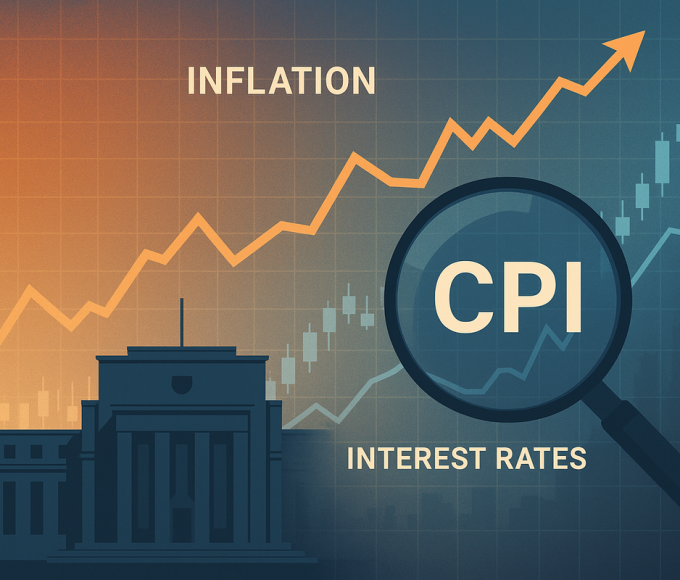
Hot CPI Data and Inflation Fears Rattle Markets
Hotter-than-expected September CPI data rattled global markets Wednesday, raising fears of a more aggressive Federal Reserve before the year ends.
Bond Market Selloff Drives Sharp European Stock Losses
Surging bond yields and climbing oil prices hammered European stocks at the open Thursday, deepening the global risk-off selloff further.
Eurozone Manufacturing PMI Hits Four-Year High in September
Eurozone manufacturing activity reached a four-year high in September, but accelerating price pressures complicated the outlook for ECB policy decisions.
Fed Hike and Yields Drive Thursday’s Global Markets
A unanimous Fed rate hike and climbing Treasury yields set the tone for Thursday's volatile global trading session ahead.


US Debt Concerns Drive Safe-Haven Demand, Dollar Slides
 Market NewsMay 22, 20253 Mins read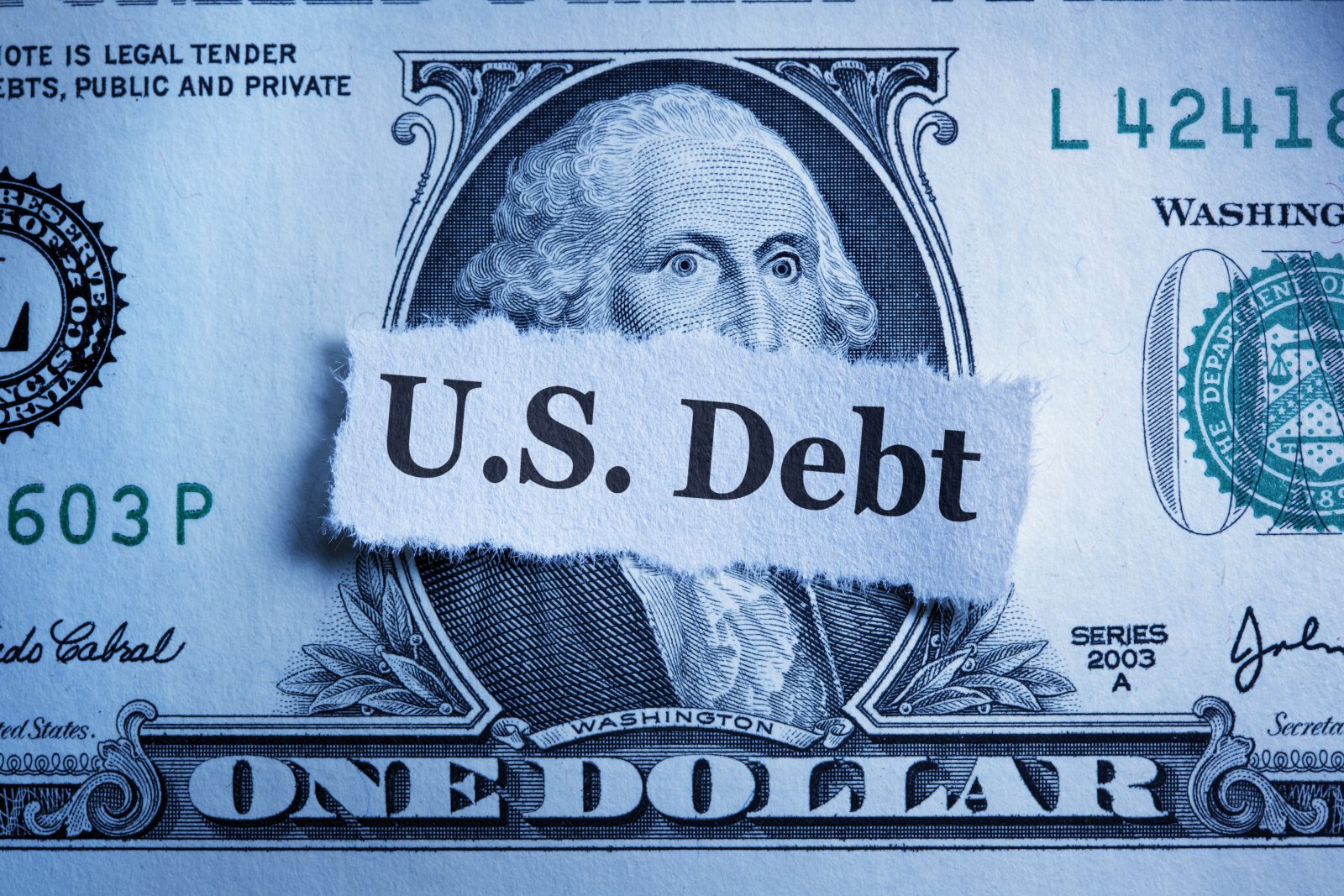
US debt fears spark safe-haven rush for gold, Yen. Asia PMIs mixed. NZ budget due. Dollar weak. Oil tumbles on inventory build.
Persistent worries over burgeoning U.S. debt levels, amplified by President Donald Trump’s tax cut bill, rattled investors in the U.S. session, leading to a notable shift towards safe-haven assets. This investor anxiety drove U.S. Treasury bond yields higher and fueled demand for traditional hedges like gold, the Japanese Yen, and the Swiss Franc. The broad weakness in the U.S. dollar was evident, with the Dollar Index (DXY) shedding over 1.5% by Wednesday.
Asia Session: Mixed Economic Signals Amidst Currency Fluctuations
The ripple effects of U.S. market sentiment were felt across Asia, intertwining with regional economic data.
In Australia, the Composite PMI slowed for the second month in May, registering 50.6, down from 51.0. Both services and manufacturing sectors showed slight growth, but momentum eased. Despite this, the Australian dollar stayed elevated around 0.6430, supported by dollar weakness. The Reserve Bank of Australia (RBA) cut its cash rate by 25 basis points to 3.85% on May 20th, citing easing inflation but warning of global trade uncertainties.
Japan’s Composite PMI fell back into contraction in May, reading 49.8 after a brief April rebound. Services slowed, and manufacturing contracted for the eleventh straight month. New orders shrank for the first time in nearly a year, with foreign demand falling again. The Japanese Yen saw strong inflows amid safe-haven demand, pushing USD/JPY below 143.50. The Bank of Japan (BOJ) kept its uncollateralized overnight call rate near 0.5% on May 1st and plans to reduce monthly JGB purchases.
US Debt Concerns Drive Safe-Haven Demand, Dollar Slides
New Zealand’s Treasury will release its annual budget today, potentially causing volatility for the Kiwi dollar. The Reserve Bank of New Zealand (RBNZ) cut its Official Cash Rate by 25 basis points to 3.50% on April 9th, the fifth consecutive cut, as inflation nears target and economic activity remains stable.
The Euro rallied, reaching 1.1362 before settling near 1.1350 amid broad dollar weakness. Euro Area Composite PMI is expected to show a fifth consecutive expansion month. The European Central Bank (ECB) cut rates by 25 basis points on April 17th, marking its sixth cut, citing steady disinflation.
The Swiss Franc surged as investors sought safe-haven assets amid U.S. debt concerns, with USD/CHF dropping nearly 1%. The Swiss National Bank (SNB) cut rates to 0.25% on March 20th due to easing inflation.
The Pound faces pressure despite a strong CPI print, with UK PMI expected to show contraction. The Bank of England (BoE) cut rates to 4.25% on May 8th.
The Canadian Dollar strengthened, supported by uncertainty in U.S.-Canada trade talks. The Bank of Canada (BoC) kept rates at 2.75%, with Governor Tiff Macklem speaking at the G7 today.
Oil prices reversed sharply on Wednesday following unexpected builds in U.S. crude and fuel inventories, signaling weaker demand growth. WTI oil tumbled 4.5% to settle around $61.30 per barrel after hitting a high of $64.19. Overhead pressures for the commodity appear to be building once more.
Today’s Key Economic Releases (GMT):
- 12:30 pm: U.S. Unemployment Claims
- 1:45 pm: U.S. S&P Global Composite PMI
Outlook for the Dollar Index (DXY): The DXY is currently facing a medium bearish bias. After shedding over 1.5% by Wednesday, the index will likely stay under pressure. Analysts expect unemployment claims to signal a “steady” labor market at around 230,000, while forecasts indicate the S&P Global Composite PMI for May will show the weakest expansion since September 2023, further weakening the dollar.
Outlook for Gold (XAU): Gold maintains a medium bullish bias. The precious metal has rallied strongly this week, driven by fears of increased government spending in the U.S. and a subsequent surge in demand for safe-haven assets. Expected stable unemployment claims and weaker PMI data from the U.S. could continue to fuel this demand.
Central Bank Commentary: The Federal Reserve, in its May 7th meeting, unanimously decided to maintain the Federal Funds Rate at 4.25-4.50%. The Committee acknowledged increased uncertainty around the economic outlook and noted that risks of both higher unemployment and higher inflation have risen. Economists revised GDP growth forecasts for 2025 downward and slightly raised core PCE inflation projections, partly due to tariff-related pressures. The Fed also announced a slowdown in the pace of decline of its Treasury securities holdings, reducing the monthly redemption cap from $25B to $5B beginning in April. The next FOMC meeting is scheduled for June 17-18, 2025.
Stay Updated with the Latest Market News. Visit our YouTube Channel for the Latest Forex Analysis.



Related Articles
Hot CPI Data and Inflation Fears Rattle Markets
Hotter-than-expected September CPI data rattled global markets Wednesday, raising fears of a...
Bond Market Selloff Drives Sharp European Stock Losses
Surging bond yields and climbing oil prices hammered European stocks at the...
Eurozone Manufacturing PMI Hits Four-Year High in September
Eurozone manufacturing activity reached a four-year high in September, but accelerating price...
Fed Hike and Yields Drive Thursday’s Global Markets
A unanimous Fed rate hike and climbing Treasury yields set the tone...
Leave a comment