

- Market News
US Midterms Weaken Dollar as BoE Decision Looms
The Democratic midterm victory pressured the dollar and oil, while gold recovered above $4,000 and the pound gained ground.
Iran Talks and Tech Worries Shape European Stocks
European stocks opened mixed Thursday as Spanish shares struggled, tech worries hit US futures, and Iran diplomacy gained attention.
SpaceX Surge Lifts Wall Street as Asia Slides
SpaceX revenue growth and Tesla merger discussions lifted US tech stocks Wednesday, while Asian markets fell and oil climbed.
Hot CPI Data and Inflation Fears Rattle Markets
Hotter-than-expected September CPI data rattled global markets Wednesday, raising fears of a more aggressive Federal Reserve before the year ends.



- Market News
US Midterms Weaken Dollar as BoE Decision Looms
The Democratic midterm victory pressured the dollar and oil, while gold recovered above $4,000 and the pound gained ground.
Iran Talks and Tech Worries Shape European Stocks
European stocks opened mixed Thursday as Spanish shares struggled, tech worries hit US futures, and Iran diplomacy gained attention.
SpaceX Surge Lifts Wall Street as Asia Slides
SpaceX revenue growth and Tesla merger discussions lifted US tech stocks Wednesday, while Asian markets fell and oil climbed.
Hot CPI Data and Inflation Fears Rattle Markets
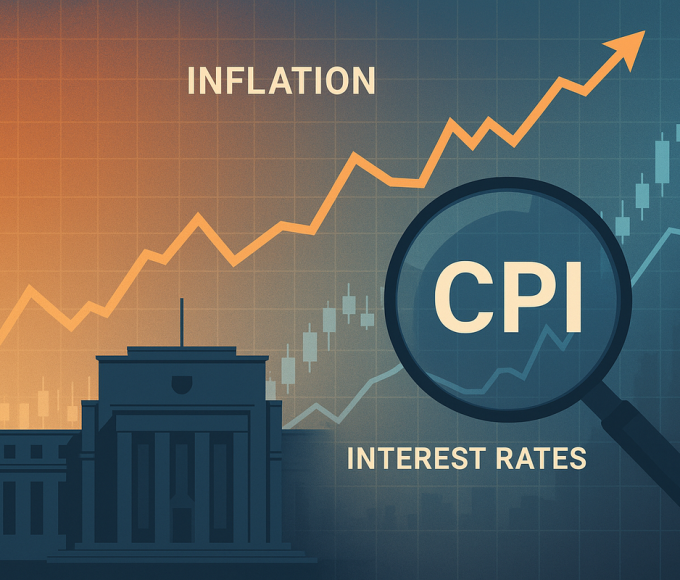
Hotter-than-expected September CPI data rattled global markets Wednesday, raising fears of a more aggressive Federal Reserve before the year ends.



US midterms weaken the dollar and oil while gold rises, as traders await the BoE decision and Lagarde speech.
The outcome of the US midterm elections drove Asian trading and triggered a broad shift in global sentiment. The Democratic victory reduced political uncertainty and raised hopes that US-Iran military tensions could ease. That outlook put significant pressure on the US dollar and crude oil. Gold benefited from falling Treasury yields and a weaker dollar, while the Australian dollar drew extra support from a much stronger-than-expected trade surplus.
Dollar Stays on the Defensive
The US dollar remained under pressure Thursday after the Democrats’ decisive midterm win, which raised concerns about political gridlock and the direction of US economic policy. Falling Treasury yields and improved risk sentiment weighed on the greenback. However, stronger-than-expected private-sector employment data and expectations of another Fed rate increase offered some support.
At its October 27-28 meeting, the FOMC held rates at 3.75% to 4.00% in a 10-2 vote, with two members preferring another 25 basis point hike. The Fed upgraded its assessment of economic growth from solid to strong and kept the door open to further tightening. Markets now watch for signals on a possible December increase, and the next meeting takes place December 8-9. US Unemployment Claims arrive at 1:30 PM GMT.
Gold Climbs Above $4,000
Gold showed renewed bullish momentum Thursday after recovering above $4,000 and reaching a two-week high. A weaker dollar and declining Treasury yields following the midterms fueled the move. Even so, uncertainty over the Fed’s December decision remains an obstacle, particularly with US employment figures due Friday. Traders also monitor Iran and the Middle East, since renewed tensions could lift safe-haven demand.
Euro Draws Support From Inflation and Dollar Weakness
The euro strengthened on rising eurozone inflation, expectations of another ECB hike in December, and dollar weakness. Eurozone inflation climbed to 4.0%, its highest level in three years, while stronger-than-expected growth added further support.
On October 29, the ECB held all three key rates, keeping the deposit facility at 2.50%, the main refinancing rate at 2.65%, and the marginal lending rate at 2.90%. The bank maintained its data-dependent approach and warned that prolonged energy price increases could push inflation higher while weakening growth. ECB President Lagarde speaks at 6:00 PM GMT, and the next meeting falls on December 16-17.
US Midterms Weaken Dollar as BoE Decision Looms
Swiss Franc Gains on Rising Inflation
The Swiss franc found support from rising Swiss inflation and the weaker dollar. Inflation increased to 1.5%, which raised expectations that the SNB could consider rate increases in 2027, although the policy rate currently sits at 0.00%. SNB Chairman Schlegel speaks at 12:40 PM GMT. The next SNB meeting takes place December 10.
Pound Strengthens Ahead of BoE Decision
Sterling entered Thursday on firmer footing, backed by expectations of a Bank of England rate increase and the weaker dollar. GBP/USD climbed toward 1.3485, and the pound also benefited from a relatively positive market reaction to the latest UK Budget.
The BoE delivers its decision at 12:00 PM GMT, together with the Monetary Policy Report, the Monetary Policy Summary, and the MPC vote count. Governor Bailey then speaks at 12:30 PM GMT. At its September meeting, the MPC voted 6-3 to hold the Bank Rate at 3.75%, with three members backing a hike to 4.00%.
Canadian Dollar Builds Positive Momentum
The Canadian dollar gained on a stronger-than-expected trade surplus, the recent Bank of Canada rate increase, and broad US dollar weakness. On October 28, the BoC raised its overnight rate by 25 basis points to 2.50%, ending its extended pause and citing persistent inflation risks. Canadian inflation rose to 3.1% in September, while renewed US tariffs remain a key threat to growth. Governor Macklem speaks at 3:30 PM GMT, and the Annual Budget follows at 9:00 PM GMT. The next BoC meeting is December 9.
Oil Slides on Diplomacy Hopes
Oil faced heavy selling pressure as hopes for a diplomatic resolution to the US-Iran conflict reduced fears of prolonged supply disruption. Brent and WTI have fallen for four consecutive sessions as traders strip the geopolitical risk premium out of crude. JPMorgan warned that the market returned to a surplus in October, which adds a bearish tone.
Even so, some support remains. US crude inventories fell for a fifth consecutive week, distillate stocks declined, and OPEC+ decided to maintain its December production targets.
Stay Updated with the Latest Market News. Visit our YouTube Channel for the Latest Forex Analysis.

Related Articles
Iran Talks and Tech Worries Shape European Stocks
European stocks opened mixed Thursday as Spanish shares struggled, tech worries hit...
SpaceX Surge Lifts Wall Street as Asia Slides
SpaceX revenue growth and Tesla merger discussions lifted US tech stocks Wednesday,...
Hot CPI Data and Inflation Fears Rattle Markets
Hotter-than-expected September CPI data rattled global markets Wednesday, raising fears of a...


Bond Market Selloff Drives Sharp European Stock Losses
Surging bond yields and climbing oil prices hammered European stocks at the...
Leave a comment