

- Market News
Hot CPI Data and Inflation Fears Rattle Markets
Hotter-than-expected September CPI data rattled global markets Wednesday, raising fears of a more aggressive Federal Reserve before the year ends.
Bond Market Selloff Drives Sharp European Stock Losses
Surging bond yields and climbing oil prices hammered European stocks at the open Thursday, deepening the global risk-off selloff further.
Eurozone Manufacturing PMI Hits Four-Year High in September
Eurozone manufacturing activity reached a four-year high in September, but accelerating price pressures complicated the outlook for ECB policy decisions.
Fed Hike and Yields Drive Thursday’s Global Markets
A unanimous Fed rate hike and climbing Treasury yields set the tone for Thursday's volatile global trading session ahead.


- Market News
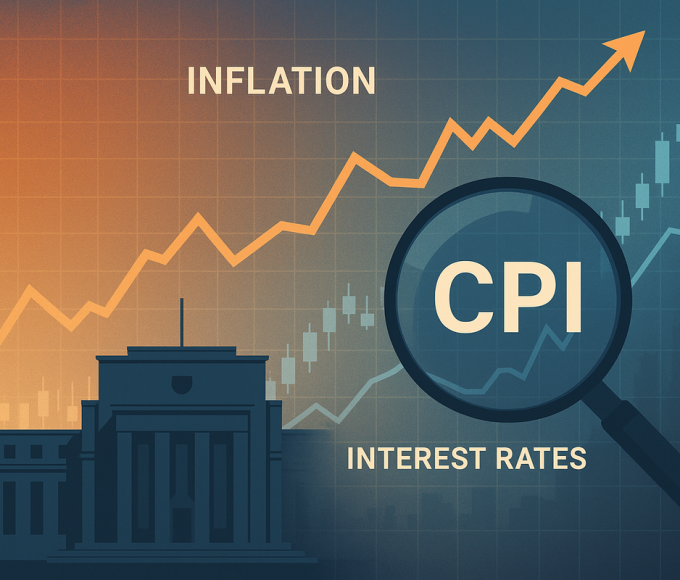
Hot CPI Data and Inflation Fears Rattle Markets
Hotter-than-expected September CPI data rattled global markets Wednesday, raising fears of a more aggressive Federal Reserve before the year ends.
Bond Market Selloff Drives Sharp European Stock Losses
Surging bond yields and climbing oil prices hammered European stocks at the open Thursday, deepening the global risk-off selloff further.
Eurozone Manufacturing PMI Hits Four-Year High in September
Eurozone manufacturing activity reached a four-year high in September, but accelerating price pressures complicated the outlook for ECB policy decisions.
Fed Hike and Yields Drive Thursday’s Global Markets
A unanimous Fed rate hike and climbing Treasury yields set the tone for Thursday's volatile global trading session ahead.


Fed Hike and Yields Drive Thursday’s Global Markets
 Market NewsSeptember 24, 20263 Mins read
Fed rate hike and rising yields drive global markets Thursday as traders watch jobless claims and Canadian retail sales.
Higher yields, geopolitical uncertainty, and mixed Australian data dominated the Asia session Thursday. Australia’s employment headline came in strong, but a rise in unemployment and a decline in full-time jobs triggered selling pressure in the AUD. Japan’s softer PMI contrasted with sharply higher JGB yields, keeping JPY crosses volatile throughout the session. Elevated oil prices and strong US yields continued to weigh on equities and gold while supporting the dollar heading into the European open.
Fed Hike and Yields Drive Thursday’s Global Markets
The dollar enters Thursday with firm footing, drawing support from higher US yields, strong economic data, and expectations of further Fed tightening. At its September 15-16 meeting, the FOMC raised the federal funds rate by 25 basis points to 3.75% to 4.00% in a unanimous 12-0 vote, marking a shift from the July pause. The Fed’s median projection now places the federal funds rate at 4.1% by year-end, up from 3.8% in the June projections, signalling a more restrictive path ahead.
Median headline PCE inflation sits at 3.7% for 2026, with core PCE at 3.4%, both well above the 2% target. Chair Kevin Warsh stressed that the Fed retains further work to do if policymakers cannot gain sufficient confidence that inflation is moving sustainably lower. The next FOMC meeting is scheduled for October 27-28.
Today’s US jobless claims release at 12:30 PM GMT carries the most immediate market-moving potential. A lower-than-expected reading would reinforce current dollar strength, while a significantly weaker labour market result could challenge it.
Gold Holds Support but Faces Headwinds
Gold trades under pressure in the $4,300 to $4,400 range Thursday as a firm dollar and additional Fed tightening expectations limit the upside. However, falling oil prices, easing Treasury yields, persistent geopolitical uncertainty, and strong Chinese gold demand continue to provide a floor for bullion. Traders will pay close attention to European and US PMI releases and any further Fed commentary, as stronger-than-expected data could push the dollar higher and weigh on gold, while softer figures would have the opposite effect.
Euro Faces Pressure from Widening Rate Differential
The euro enters Thursday under downward pressure against the dollar despite surprisingly strong Eurozone economic data. The widening gap between ECB and Fed rate expectations continues to weigh on EUR/USD, which traded around 1.1380, below the 1.1400 level, early in the session. Markets increasingly price in additional Fed tightening while the ECB’s rate path remains comparatively less aggressive.
The ECB held all three key rates unchanged at its July 23 meeting, keeping the deposit facility at 2.25%, the main refinancing rate at 2.40%, and the marginal lending facility at 2.65%. Professional forecasters project headline HICP inflation at 2.7% for 2026, while GDP growth expectations stand at just 0.6% for the year, leaving the ECB navigating a difficult combination of above-target inflation and weak growth. The next ECB meeting falls on October 29.
SNB Decision Dominates Swiss Franc Trading
The Swiss franc faces its biggest event of the session with the SNB Monetary Policy Assessment at 7:30 AM GMT, followed by a press conference at 8:00 AM GMT. Markets expect the SNB to hold its policy rate at 0.00%, though traders will focus closely on whether the Bank upgrades its inflation projections in response to higher energy prices and whether it maintains firm language around FX intervention. Swiss inflation has risen to 0.8% year-over-year, while economic growth remains resilient. The large US-Swiss interest rate differential continues to support the dollar against the franc.
Pound Trades Defensively on USD Strength
Sterling trades on the defensive Thursday, with USD strength and shifting monetary policy expectations driving GBP/USD to around 1.324. Wednesday’s weaker UK PMI contrasted sharply with stronger US business surveys, adding to the pound’s near-term headwinds. The BoE held the Bank Rate at 3.75% at its September 17 meeting, voting 6-3 with three members pushing for a 25 basis point increase to 4.00%. UK CPI climbed to 3.1% in August from 2.9% in July, keeping inflation well above the 2% target. The MPC’s next decision is due November 5.
Canadian Dollar Faces Retail Sales Test
The Canadian dollar heads into Thursday near an eight-week low, pressured by dollar strength, widening Canada-US yield differentials, and renewed trade uncertainty. The Bank of Canada held its overnight rate at 2.25% at its September 2 meeting, marking the seventh consecutive decision at that level. Governor Macklem warned that US tariffs could significantly slow Canadian growth, though higher oil prices provide some offset through Canada’s energy export revenues.
Today’s Canadian Retail Sales data at 12:30 PM GMT serves as the primary catalyst for CAD pairs. Markets expect a reading of -0.8% month-over-month following a prior gain of 0.6%. A significant deviation in either direction could produce sharp moves across CAD crosses. Canada’s headline CPI rose to 3.0% year-over-year in July, though CPI excluding gasoline held at 2.2%, suggesting that energy rather than broad domestic demand drives the current inflation overshoot. The next BoC meeting takes place October 28.
Oil Holds Gains but Upside Looks Limited
Oil markets consolidate Thursday after Wednesday’s sharp rally, which geopolitical concerns primarily drove. However, a larger-than-expected US crude inventory build and improving Saudi supply routes through Oman are capping further gains. US-Iran tensions and developments around the Strait of Hormuz remain the dominant catalysts for crude direction, while today’s US economic releases carry the potential to influence the dollar and indirectly shape energy demand expectations through the session.
Stay Updated with the Latest Market News. Visit our YouTube Channel for the Latest Forex Analysis.


Related Articles
Hot CPI Data and Inflation Fears Rattle Markets
Hotter-than-expected September CPI data rattled global markets Wednesday, raising fears of a...
Bond Market Selloff Drives Sharp European Stock Losses
Surging bond yields and climbing oil prices hammered European stocks at the...
Eurozone Manufacturing PMI Hits Four-Year High in September
Eurozone manufacturing activity reached a four-year high in September, but accelerating price...


European Stocks Rally as Bond Markets Hold Steady
European stocks opened firmly higher Thursday as stabilising bond yields and falling...
Leave a comment